
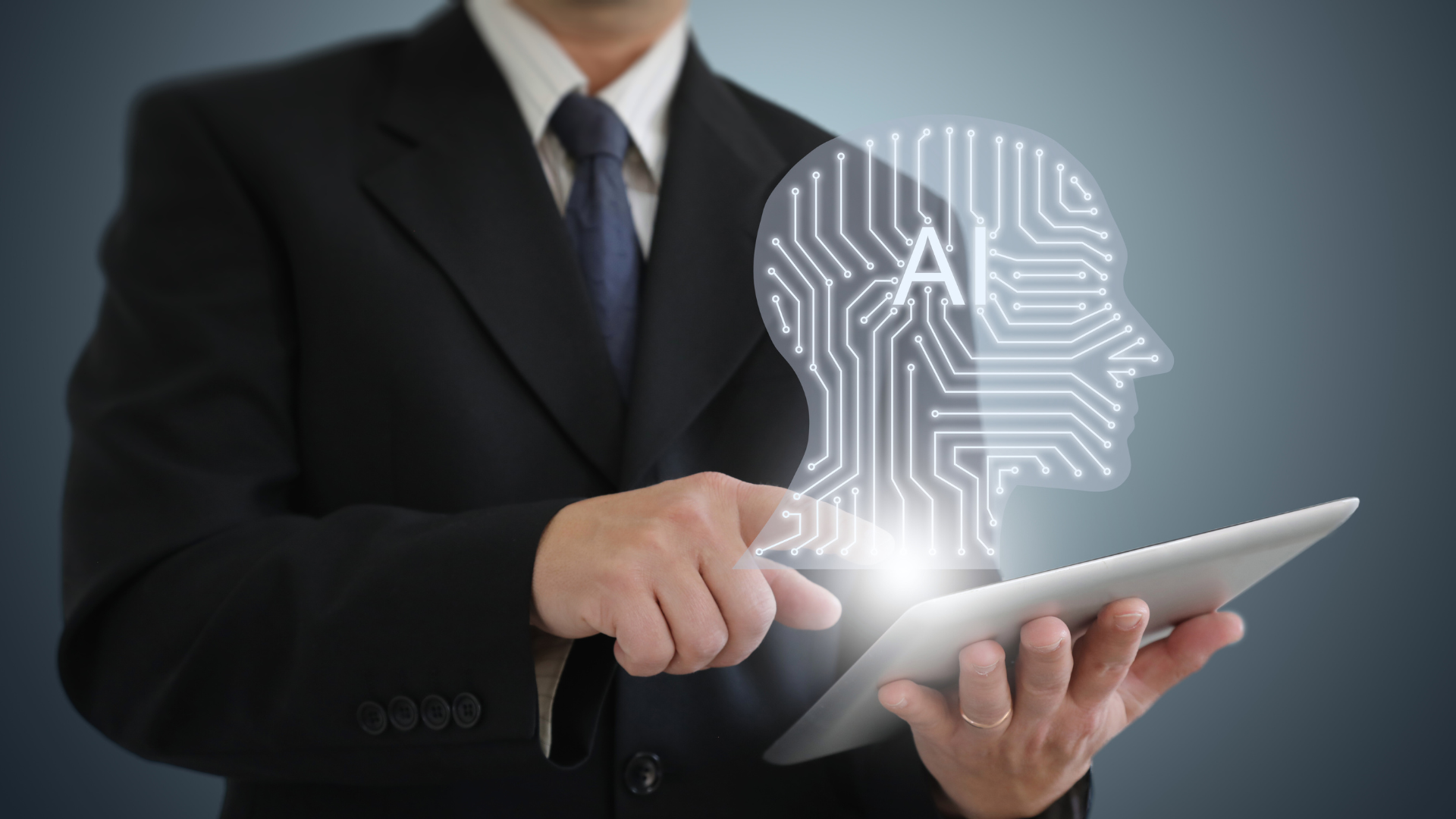
Artificial Intelligence (AI) has emerged as a transformative force within the business landscape, fundamentally altering how organisations operate and interact with customers. AI is streamlining processes, enhancing decision-making, and enabling personalised experiences, which are essential for companies aiming to thrive in an increasingly competitive market. As businesses adopt AI-driven solutions, they unlock new levels of efficiency and innovation that were previously unimaginable.
The future of AI holds even greater promise. With advancements in machine learning, automation, and data analytics, companies can leverage AI to predict trends, optimise resource allocation, and improve customer engagement. AI’s integration into everyday business functions not only boosts productivity but also helps organisations stay agile in a rapidly evolving environment.
As AI continues to reshape the future of business, it presents a wealth of opportunities for those willing to adapt. The ability to harness AI technology will distinguish successful businesses from their competitors. Embracing this shift is no longer optional; it is essential for survival and growth in the modern economy.
AI-Driven Innovation and Efficiency
AI technology is playing a pivotal role in transforming how businesses innovate and operate. It enhances productivity levels while fostering operational efficiency across various sectors.
Revolutionising Productivity with AI Tools
AI tools are revolutionising productivity by automating repetitive tasks and streamlining processes. Businesses implement AI-driven software for data analysis, allowing employees to focus on high-value activities.
Examples include AI chatbots managing customer inquiries and machine learning algorithms predicting market trends. These tools enable organisations to make informed decisions quickly, reducing time spent on manual processes.
Software development teams are also seeing major changes in how they build and maintain applications. Instead of manually tracking bugs and writing code from scratch, developers now use platforms that connect their code repositories directly with project management tools. For example, the platform at axiomstudio.ai links codebases and issue trackers to coordinate autonomous AI agents. These agents plan and check code while keeping up with company compliance rules. This type of automation helps engineering teams deploy updates much faster without losing control of their systems.
Additionally, AI facilitates real-time collaboration among teams, regardless of geographical location. It helps disseminate information efficiently, ensuring that all team members are aligned with project goals.
The Impact of Automation on Business Operations
Automation significantly impacts business operations by increasing efficiency and reducing costs. Through robotic process automation (RPA), organisations can eliminate errors linked to human intervention.
Tasks such as invoicing, payroll, and inventory management can be automated. By decreasing the reliance on manual labour, businesses can allocate resources to strategic initiatives. A similar shift is taking place in digital marketing, where SEO processes like keyword research, content planning, and publishing are increasingly automated through platforms such as rankyak.com, helping businesses maintain consistency and scale their online presence more efficiently.
AI can also optimise supply chain management. Predictive analytics allow companies to adjust inventory levels based on demand forecasts, minimising waste and costs.
Integrating AI and automation enhances operational efficiency and provides a competitive edge in the market. As organisations adapt, they become more agile, responding swiftly to market changes and customer needs.
AI in Decision-Making and Competitive Advantage
AI significantly enhances decision-making processes within organisations, fostering competitive advantages through improved predictive analytics and robust cybersecurity measures. By leveraging data effectively, companies can navigate their market environments with greater agility and foresight.
Predictive Analytics and Data-Driven Strategies
Predictive analytics utilises AI to analyse historical data, forecast future trends, and inform strategic decisions. This capability allows businesses to optimise their operations, target customer preferences, and improve product offerings.
For example, retail companies employ predictive models to anticipate consumer behaviour, enabling them to manage inventory efficiently and tailor marketing campaigns. Start-ups can use AI-driven tools to assess market viability, reducing risks associated with new ventures.
Organisations embracing data-driven strategies often gain a competitive edge by making informed choices rather than relying on intuition. The ability to respond swiftly to shifting market dynamics can result in increased market share and enhanced customer loyalty.
Cybersecurity and AI Governance
As businesses increasingly digitise operations, the importance of cybersecurity rises dramatically. AI enhances cybersecurity measures by identifying vulnerabilities and preventing potential threats in real-time.
Intelligent systems monitor network activity, detecting unusual patterns that may signal a security breach. This proactive approach allows organisations to mitigate risks before they escalate.
Additionally, implementing AI governance frameworks ensures ethical considerations and compliance with regulations. By prioritising transparency and accountability, businesses can protect their interests and maintain consumer trust in an increasingly complex digital landscape.
AI thus plays a critical role in safeguarding sensitive information while supporting robust decision-making protocols.
Enhancing Customer Experience with AI
Artificial Intelligence is significantly improving customer experience by personalising interactions and streamlining processes. Two key areas where AI has made a substantial impact are marketing through AI-generated content and the use of chatbots and virtual assistants in customer service.
Transforming Marketing through AI-Generated Content
AI is revolutionising how businesses approach marketing. From natural language processing (NLP) to predictive analytics, companies are now able to create highly personalised content that truly connects with their audience. One standout example is Hautech.AI, which uses generative AI to help fashion brands produce striking, on-model imagery, making it easier to deliver visually engaging campaigns that align perfectly with brand identity and customer expectations. By integrating these technologies, businesses are not only elevating the quality of their marketing efforts but also unlocking new levels of personalisation and efficiency.
- Personalisation: AI analyses customer data to generate content that aligns with individual preferences, thereby increasing engagement.
- Efficiency: Automation speeds up content creation, allowing marketing teams to focus on strategy rather than repetitive tasks.
AI-generated content can also enhance SEO strategies by identifying trending keywords and topics. This leads to improved visibility and relevancy, ultimately driving customer interest.
Chatbots and Virtual Assistants in Customer Service
Chatbots and virtual assistants have transformed customer service by providing instant support and information. These AI-driven tools offer several advantages:
- 24/7 Availability: Customers receive assistance any time of day, enhancing satisfaction.
- Quick Resolution: Issues can be addressed promptly, reducing wait times and improving efficiency.
Many companies implement chatbots to handle frequently asked questions, which relieves pressure on human agents. Virtual assistants further enhance this by offering personalised recommendations based on user behaviour, creating a seamless customer journey. Through these innovations, businesses foster stronger relationships with their clients.
The Future Landscape of AI in Business
As businesses look towards the future, the integration of AI presents unique opportunities and challenges. Key areas such as sustainability and emerging trends will significantly influence the business landscape.
Sustainability and the Role of AI in Business
AI is becoming crucial for promoting sustainability across various sectors. Businesses now leverage AI technologies to enhance energy efficiency, reduce waste, and optimise resource management. For example, AI can analyse supply chain data to identify inefficiencies, enabling organisations to minimise their carbon footprint.
The adoption of generative AI is also noteworthy. This technology can create innovative solutions, such as designing sustainable materials or developing new processes that require fewer resources. Furthermore, AI governance will play a vital role in ensuring these technologies are implemented ethically and responsibly, aligning with sustainability goals.
Emerging AI Trends and Business Opportunities
Several emerging AI trends stand to reshape the business environment. Machine learning and data analytics are enhancing decision-making processes, allowing companies to respond swiftly to market changes. Personalisation driven by AI algorithms is another critical trend, enabling businesses to tailor offerings to individual customer preferences.
The rise of AI-powered chatbots and virtual assistants is transforming customer service. These tools can handle queries efficiently, improving customer satisfaction and freeing up human resources for more complex tasks. Additionally, there are growing opportunities in sectors like healthcare and finance, where AI can drive innovation and streamline operations. Businesses that adapt to these trends will likely gain a competitive edge in their respective markets.