Skip to content
Pint Glass

Pint Glass

Excellence Driven

#

#

Contact
  • Home
  • About
  • Industry Talks
  • Business World
  • Money Making
  • All Posts
  • Contact
  • Home
  • About
  • Industry Talks
  • Business World
  • Money Making
  • All Posts
  • Contact
Contact

Category: Industry Talks

How to Find the Best Electrician for Your Home: 5 Things You Need to Know

How to Find the Best Electrician for Your Home: 5 Things You Need to Know

11/18/202310/21/2024 Mark ReesIndustry TalksLeave a Comment on How to Find the Best Electrician for Your Home: 5 Things You Need to Know

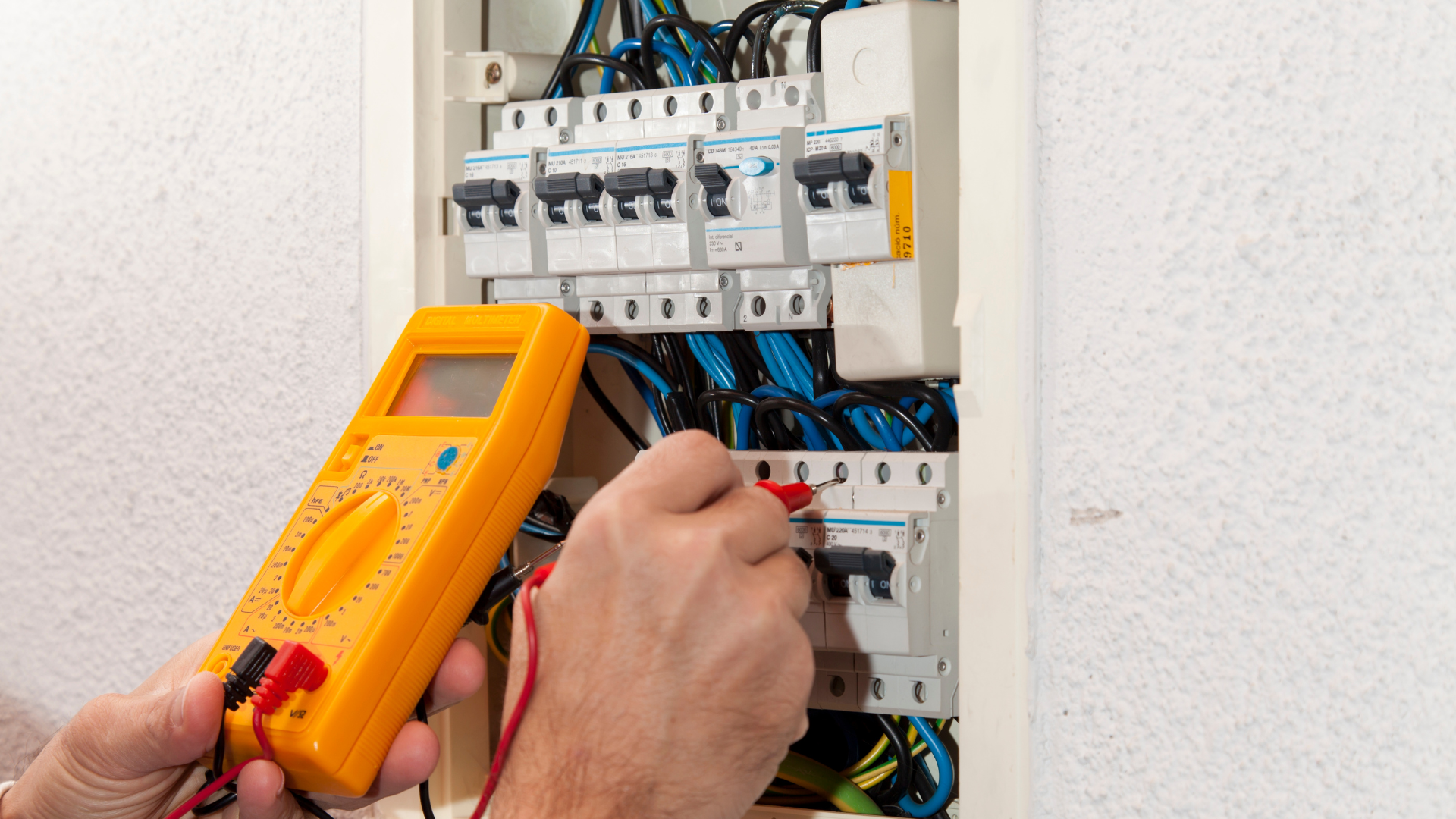
Your everyday routine rely on the expertise of electricians to ensure that your home electrical systems operate safely and effectively. They provide the power that keeps your homes running smoothly, ensuring your appliances and devices function without a hitch. Their knowledge and skills are indispensable in maintaining the comfort and functionality of your living spaces.

Whether it’s installing new lighting fixtures, addressing out refrigerator or AC Repair like circuits and wiring, or performing regular maintenance, electricians keep your world lit and connected. Without their skills and assistance, you would face constant disruptions and potential dangers, highlighting just how important they are for your everyday comfort and safety.

If you find yourself needing to hire an electrician for your home, navigating through the plethora of options available can be quite overwhelming. But fear not!

Below, we’ll discuss what you need to look out for when searching for an electrician. Read on to learn more!

1. Know Your Needs

Before you start your search for an electrician, it’s important to know what your needs are. The first thing you need to do is figure out the scope of work that needs to be done.

Do you need someone to install new outlets? Or do you need complete home rewiring? Once you know the scope of work, you can start looking for an electrician.

Then, you should consider the type of electrician that you need. Do you need a residential electrician? Or a commercial electrician? The type of electrician you choose will depend on the scope of work and the type of property you have.

2. Find a Skilled Electrician

One of the most reliable ways to find a skilled and qualified electrician is by asking for referrals. Reach out to friends, family, and neighbors who have recently had electrical work done in their homes and ask them to recommend good companies with experienced electricians.

Another great way to find a reputable electrician is to ask your local home improvement store for recommendations. The staff at these stores have a good working knowledge of the local contractors. With this, they can point you in the right direction.

Also, don’t be afraid to reach out to your city’s building inspection department. The inspectors there are in constant contact with electricians. They can often provide you with a list of those who meet their high standards.

Lastly, you can also turn to the internet to find an electrician to assist with your needs. Simply search for terms like “electrician near greenville sc,” or wherever you are located, and browse through the options. Take a moment to read reviews and assess their skills to ensure they meet your requirements before making a decision.

3. Verify Credentials and Licensing

It’s important to verify that your electrician has a license. You can do this by asking to see their license or contacting your local licensing board.

You should also ask for references from past clients. A reputable electrician will be happy to provide you with a list of satisfied customers.

When you’ve verified these, you can be confident that they have the knowledge and skills to work on your home. Always review the project scope and cost before signing any contracts. This will protect you from potential problems down the road.

4. Make Sure the Electrician Is Insured

Whether you are choosing your local electrician or getting referrals from friends, one of the first things to check is if they have insurance. This is important for two reasons.

First, it protects you in case something goes wrong and they damage your property. And second, it protects them in case they get injured while working.

There are a few different ways to make sure an electrician has insurance. The best way is to ask to see a copy of their insurance policy.

This should list the types of coverage they have and the limits of each policy. If they don’t have a policy, or if you’re not comfortable with their coverage, you can always ask them to get one before they start working on your home.

Another way is to check with their state licensing board. Most states require electricians to get licensed.

Part of the licensing process includes proving that they have insurance. You can usually find this information on the board’s website.

Finally, you can always call the electrician’s insurance company directly to verify coverage. This is usually the best way to get peace of mind that an electrician is fully insured before they start work on your home.

5. Get Multiple Quotes

When it comes to finding an electrician, getting multiple quotes is a must. This helps ensure that you’re getting the best possible price. Also, it will give you a chance to compare services and find the electrician that’s right for you.

To get started, simply contact a few different electricians in your area and request a quote. Be sure to ask about any special offers or discounts that they may be running. Doing this can save you even more money.

Once you have a few quotes in hand, take some time to compare them. Find out which one offers the best value for your needs.

Keep in mind that the lowest price isn’t always the best option. In some cases, it’s worth paying a bit more for an electrician who can offer better service or who has more experience.

Ultimately, the decision is up to you. Keep in mind though that getting multiple quotes is a great way to ensure that you’re getting the best possible deal on electrical services.


 

Read More
5 Essential Tools Every Tradesman Should Have in Their Toolbox

5 Essential Tools Every Tradesman Should Have in Their Toolbox

11/01/202305/24/2023 Mark ReesIndustry TalksLeave a Comment on 5 Essential Tools Every Tradesman Should Have in Their Toolbox

Are you a tradesman or hoping to become one?

If so, you must have the appropriate tools in your toolbox because they are essential for carrying out your everyday activities. Without any tools, you won’t be able to get your jobs done properly. Once you find and use the right tradesman tools, you’ll be certain to accomplish the most difficult of tasks.

For instance, having a set of reliable power tools, such as these DeWalt power tools from Elmers Hardware, can help improve the efficiency and precision on the job. Having a variety of tools in your toolbox allows you to handle a range of tasks, such as drilling, sawing, and polishing, making them necessary for any tradesman.

This article offers all the information you need if you’re wondering what to invest in.

Keep reading to discover the essential tools that every tradesman should have in their toolbox.

1. Hammers

One of the most important items that tradesmen should have in their toolboxes is a hammer. It is used to shape metal, drive nails, break down drywall, and more. A good quality hammer should have a strong handle and ergonomic grip. Made of metal, the head of the hammer has a good weight on it.

For smooth surfaces, a claw hammer is the best choice while a ball peen hammer should be used to shape metal. Depending on the intended purpose, different sizes, and weights should be selected. A tradesman can never have too many hammers in their toolbox!

Not only are they essential for everyday tasks, but they are also versatile enough to use in different projects. For example, a handyman in Stanley (or anywhere else) might rely on a variety of hammers to complete tasks ranging from basic repairs to more complex construction work. So, whether the individual is hanging pictures, assembling furniture, or doing home renovations, the right hammer can make all the difference.

2. Level Tools

Every tradesman has a unique set of tools they need to do their work safely and effectively. Level tools are essential as they help to ensure that a project is properly aligned and straight. They include a combination square that is used to determine if two components are at a perfect 90-degree angle.

A spirit level is also essential to ensure that surfaces are level and parallel to each other. Laser levels are useful for more complex projects and for surveying and coordinating projects over long distances. A torpedo level is great for checking objects both horizontally and vertically quickly. A line level fits on a rope and can be used to determine if a rope is level or not.

All of these items should be in any tradesman’s toolbox, and having access to them will speed up and improve the efficiency of any project.

3. Screwdrivers

Any tradesman’s toolbox must have screwdrivers. Flat blade and Phillips screwdrivers of various sizes and tip types should be in the arsenal. Additionally, having a variety of screws, such as 316ss Flat Socket Screw, ensures you’re prepared for a range of projects, as screws come in different sizes, lengths, and shapes. This variety allows for flexibility and readiness to tackle any job that comes your way.

It’s important to select a quality set so that the screws won’t slip and potentially damage the application. A set of double-ended ones is preferred, as it can replace the need for two separate screwdrivers. If working outdoors or in hard-to-reach spots, having a magnetic-tipped screwdriver will come in handy to quickly retrieve dropped screws.

Along with quality, convenience is key. Increasingly, screwdriver sets are being sold with a variety of handle lengths, styles, and shapes. This makes it easier for the tradesman to complete projects in tight spaces with ease. Regardless of the job, a tradesman can never have enough screwdrivers.

4. Adjustable Wrenches

An adjustable wrench is one of the essential tools every tradesman should have in their toolbox. Using the adjustable wrench, users may safely grasp bolts and nuts of different sizes, from little ones to massive ones. It’s a fantastic option for any toolbox because of its versatility. Always shop around for the wrench you need. You might find that a 1/4 torque wrench is the perfect size, so don’t forget to do your research before buying.

An adjustable wrenches long handle makes it easier to get a firm and secure grip, providing more leverage and making the task at hand a lot easier. The adjustable wrench is also one of the oldest types of tools and is still widely used today. It is a must-have for any tradesman who depends on their tools to finish the work correctly every time due to its classic style and accessibility.

Whether you’re dealing with tight spaces and need to loosen stubborn bolts, or you need to put together machinery with odd-sized nuts and bolts, the adjustable wrench will be there to help and make your job easier.

5. Tape Measures

One of the fundamental items that any worker should keep in their toolbox is a tape measure. It is a device used primarily for measuring distances and is one of the most basic tools used in any trade. Many materials, including metal, concrete, and wood, can be measured using a tape measure.

A tape measure is also great for making sure that they cut the materials to their exact measurements. It is also for measuring lengths for trim work, for the layout of floors, and for other purposes. The tape measure also comes in handy when pre-cutting materials before they are fitted and installed.

When combined with a spirit level, a tape measure can make the task of measuring and marking go more quickly, improving accuracy and efficiency. Every tradesman should have it in their toolbox because it is an essential piece of equipment.

Consider These 5 Essential Tools Every Tradesman Should Have

Every tradesman should need the right tools for any job in their toolbox. These include hammers, level tools, screwdrivers, adjustable wrenches, and tape measures.

Having the right tools allows them to be ready for any situation and be more productive. Investing in quality items should be a priority for any tradesman.

Check out the rest of our blog for more construction guidance and information.

Read More
How Your Insurance Company Can Rip You Off

How Your Insurance Company Can Rip You Off

11/01/202305/24/2023 Mark ReesIndustry Talks, Money MakingLeave a Comment on How Your Insurance Company Can Rip You Off

If you’re like most average Americans, you’re probably underinsured. You pay too much for your insurance but also don’t have enough coverage to cover your own needs. And what if something happens to you-like a car accident or a serious injury? You may not have enough insurance coverage to cover the costs of your treatment and recovery.

Insurance companies are made of money, and they make more money when they pay less. But if you have an accident in the car, a house fire, or anything else that incurs a claim, a typical insurance company will only agree to pay a fraction of the actual cost to repair or rebuild your home or car. This is called an “insurance discount,” and it’s one of the hidden costs of insuring your house, car, or even your kids.

In the last couple of years, the insurance industry has been touted as being made up of ethical, trustworthy, and competitive insurance companies. Well, it’s not true. In fact, there are many insurance companies out there that are unethical and that are trying to rip off their customers. The way they do it is a bit different, however.

Understanding the tactics insurance companies can use to minimize payouts can be important to protect your interests. Lack of knowledge of your full rights can lead to accepting settlements that are less than what you deserve. In challenging situations, such as those involving maritime law or insurance, consulting with an Insurance Recovery and Maritime Attorney can be helpful. They can assist you in navigating the difficulties of your policy, deal with insurance companies, and make sure you can receive fair compensation.

But before we can even seek help, it can be important to learn to identify when your insurance company is not being forthright with you. So, how do they do it? Let’s learn more.

Refusing Responsibility for Medical Bills.

Insurance is supposed to be a safety net that pays for all of your unplanned expenses when they happen. That is what they say, anyway. Unfortunately, many deceptive policies are created to protect insurance companies from the financial costs of paying claims, which is why legal support from DeShaw Law and similar firms is essential for ensuring that your claims are not unfairly denied. While it may benefit the insurance company, it definitely won’t be advantageous to individuals who are looking for compensation payments. Especially in the case of individuals who are suffering from personal injury and in need of dire financial support, the difficulties of navigating insurance policies can be overwhelming. In such cases, consulting with a personal injury lawyer in norfolk, or for a location nearby, can offer clarity and assistance. They can help you understand your rights and ensure that you receive the compensation you deserve.

After an Auto Accident, They Offer a Deceptively Low Estimate of Cash

The major auto insurance companies are supposed to be your best friends if you’re ever in an accident and need to file a claim. Ideally, they should swiftly assess the cost of the accident and settle your claim promptly. However, the worst scenario arises when they resort to deception and offer a lowball estimate of your compensation. In such instances, particularly if the accident was not your fault, you can seek assistance from personal injury lawyers at firms like Schuerger Shunnarah Trial Attorneys (https://www.warforcincy.com/). These professionals can negotiate with your insurance company on your behalf, ensuring that you receive fair compensation for your losses and damages resulting from the accident. Taking such proactive measures is essential for protecting your rights and obtaining the compensation you deserve.

Being Pressured to Sign Medical Authorization Forms and Other Documents

Let’s say you get sick, and your physician prescribes you a course of antibiotics. Or let’s say you’re a college student who breaks a leg and needs surgery to fix it-in either scenario, you’ll likely sign a form that allows the doctor to direct your insurer to pay for your care. You may even see a statement that reads: “Sign if you want to start receiving care immediately.”

When you buy insurance, you usually have to fill out forms to prove that you are eligible for coverage. In the past, the forms were simple and straightforward. Now, it seems like some companies are turning them into a little game of riddles. If you want to get a copy of the form to help you, you have to pay someone to get you a copy. You don’t even have to answer all the questions. It’s all about how much you pay.

Aiming to Make You Feel Scared

Insurance companies are notorious for underpaying on claims and taking advantage of customers, but you can fight back against them. But be aware, they can use scare tactics to steer you to one policy over another. By letting them do this, you run the risk of paying more than you would like for your policy.

Saying Inappropriate Words Against You.

You can’t see it, but this is the insurance company’s strategy: they’re using their lawyers to bully you instead of those lawyers using their facts and figures to prove they’re right. This is a deliberate tactic of delay, designed to make you lose your cool and send you to the police.

Insurance companies are as savvy as they are greedy. They know what you want and what you don’t want, and they’re not afraid to play dirty in the process. It’s no different than a salesperson who makes sure that you’re one of the top candidates to get their product. They do everything they can to make you buy, even if it means misleading you.

If you’re one of the unlucky people who an insurance company has ripped off, you know what it feels like, and you probably aren’t happy about it. You did your research, so you knew you were paying too much for a policy that didn’t cover everything, and you thought you had the upper hand by shopping around. We’re here to tell you that you can’t always beat the insurance companies at their own game. But you can try! Being aware of the strategies they use to rip you off can help you to proceed with a certain company with caution.


Read More
Secrets to Successful Project Management in the Industrial Sector

Secrets to Successful Project Management in the Industrial Sector

08/31/202305/04/2023 Mark ReesIndustry TalksLeave a Comment on Secrets to Successful Project Management in the Industrial Sector

In the construction industry, about 40% of projects go over budget. You’ve worked hard to set expectations with your customers, but you’re still faced with products that you can’t deliver on budget. It doesn’t have to be that way. You can take steps to manage your projects from start to finish without issues. To overcome this issue, it’s essential to adopt robust project management practices, continually assess and refine your processes, and embrace the power of collaboration.

Building a skilled and cohesive project team is pivotal, ensuring that everyone is aligned with the project’s goals and financial constraints. So, do you want to learn how to manage your industrial projects, create a good team, and effectively collaborate with commercial contractors and other experts to get results? Keep reading then!

Identifying Project Objectives

Successful project management in the industrial sector begins with clear project objectives. These objectives serve as the foundation for the entire project, guiding progress along the way. Effective project objectives consist of five main components: measurable goals, timelines, costs, quality standards, and scope. By defining these objectives, you can set realistic expectations and develop a plan to achieve them. Project objectives also allow stakeholders to raise necessary capital and allocate resources, often using financial models to manage budgets. If you’re interested, here are some of the top financial modeling examples available to explore. This way you can make informed decisions and ensure that the objectives of the project are met while being within the budget.

Assessing Project Requirements

Assessing projects is a crucial step to successful project management in the industrial sector. Therefore, before beginning a project, the team must consider the project scope and timeline to ensure timely completion. Furthermore, teams must identify all stakeholder needs, long-term objectives, and risks associated with the project. It is because knowing these requirements helps the team to handle the project, identify project delays, and stay within the budget. To simplify this process, tools like Salesforce Project Management can be incredibly helpful. With Salesforce, teams can bring all project-related information together in one place, making collaboration smooth and assessment workflows more efficient.

During the assessment process, teams should also test the current market trends and customer needs. that will influence the success of the project. A deeper assessment of the project enables teams to move forward with clear expectations and the ability to correct any issues.

Evaluating Team Capacity

Evaluating team capacity plays a key role in successful project management in the industrial sector. It is important to assess the capabilities of teams and their potential for success. Many teams lack organisation and focus, which can lead to costly mistakes and project delays. By understanding the project scope and an individual breakdown of every team member’s roles and tasks optimised. Communication is key – it is important to have team meetings to address questions and changes as they arise. Setting achievable goals, and working to establish methods to ensure a beneficial outcome. Evaluating the team must be done to make sure that all team members are contributing as expected. And requires a thorough yet aimed approach to success.

Effective Communication and Collaboration

Effective communication and collaboration are essential to the successful management of industrial projects. When collaborating, it is crucial to be clear about the goals and the time frame for the completion of the project. Clear communication of information can help ensure that the project team is aligned and also reduce delays. Additionally, it is important to set up regular meetings to stay updated on the progress of the project, allowing for any problems or inconsistencies to be discussed. Having a designated leader can help ensure that decisions are made, and tasks are completed efficiently.

In today’s digital age, leveraging the expertise of IT consultants and utilizing project management tools can significantly enhance communication and collaboration efforts. These consultants can provide valuable insights and recommendations on implementing different solutions to streamline project management processes. They can also introduce robust tools that can be widely used in the industry for task tracking, issue management, and knowledge sharing. For instance, Jira is a popular project management and issue-tracking tool that usually helps teams plan, prioritize, and manage tasks effectively. It allows for clear assignment of responsibilities, tracking of progress, and identification of potential roadblocks. Confluence, on the other hand, is a collaborative workspace that facilitates knowledge sharing, documentation, and team collaboration. By leveraging these tools, project teams can maintain a centralized repository of project-related information, ensuring transparency and enabling seamless communication among stakeholders.

With the help of effective communication, collaboration, and the strategic integration of IT solutions, we can achieve successful project management in the industrial sector, fostering efficiency, minimizing delays, and ensuring successful project execution.

Strategic Execution and Monitoring of Projects

Strategic execution and monitoring are essential components of successful project management in the industrial sector. Strategic execution involves gathering the right resources, aligning them with tasks, and implementing strategies to ensure efficient resource and time utilization. Monitoring project performance allows managers to measure resource effectiveness.

To automate this process, one could consider leveraging technological developments such as Partner Relationship Management Software. Using such software can streamline project management tasks, foster collaboration between partners, and provide real-time insights into project progress and performance. Furthermore, utilizing PRM software, project managers in the industrial sector can optimize resource allocation, track key metrics, and ensure projects remain on course to achieve their objectives.

That being said, it is also crucial to identify potential issues early on, thereby averting costly delays. Effective communication is crucial to keep all project stakeholders well-informed and updated regularly. Additionally, fostering a sense of empowerment among stakeholders and providing regular feedback promotes productive collaboration.

Regular risk assessment and mitigation strategies should also be implemented to minimize negative impacts. Coupled with a clear vision, these strategies ensure successful project management in the industrial sector.

Practices Today to Ensure Your Company’s Industrial Projects Are Successful

Project management in the industrial sector is about planning, delegating, and organising to make sure that tasks are completed on time, efficiently, and cost-effectively. By utilising the fundamentals of project management, it can implement successful projects with ease. Learn more about successful project management practices today to ensure your company’s industrial projects are successful!

If you’d like to read more articles on industrial management, visit the rest of our website. We cover topics ranging from industrial manufacturing to business management. Check out our other articles today!

Read More
The Power of Networking: Building Relationships for Career Success

The Power of Networking: Building Relationships for Career Success

08/01/202304/03/2023 Mark ReesIndustry TalksLeave a Comment on The Power of Networking: Building Relationships for Career Success

Networking is a vital aspect of professional growth and career success. It involves building relationships with people in your industry, exchanging ideas and information, and forming connections that can lead to new opportunities and growth. In today’s competitive job market, networking is more important than ever and can make all the difference in your career advancement.

Build Relationships

The key to successful networking is building relationships with others in your industry. By forming connections and forming a network of contacts, you can gain valuable insights into industry trends, hear about new job opportunities, and receive recommendations and referrals from people you trust. To build relationships, it’s important to be authentic and genuine in your interactions and to focus on building meaningful connections rather than just collecting business cards.

To build relationships, you should actively seek out opportunities to connect with others in your industry. This can include attending industry events such as conferences, workshops, and networking events. These events provide a great opportunity to meet and connect with other professionals, learn about new trends and developments, and expand your network.

You should also reach out to people in your network and be proactive in your networking efforts. This can include former co-workers, classmates, or acquaintances from industry events. When reaching out, be sure to personalize your message and explain why you are reaching out and what you hope to gain from the connection.

To build strong relationships, it’s important to offer value and support to those you connect with. Offer to help with a project, share information or resources, or simply offer to listen and provide support. When you demonstrate your willingness to be helpful and supportive, others are more likely to remember you and be willing to help you in the future.

Be Proactive

Proactivity is key to successful networking. You need to be intentional and proactive in your efforts to build relationships and expand your network. This can involve attending industry events, reaching out to people in your network, and being a valuable resource to those you connect with. For instance, participating in channel partner events can provide an interesting opportunity to learn more about the channel ecosystem, get practical advice and tips, so that you can start immediate implementation in your programs. By engaging in these events you are not only expanding your network but also gaining insights to stay ahead in your field.

In addition to attending industry events, you should also reach out to people in your network and offer to help with a project, share information or resources, or simply offer to listen and provide support. By being proactive and demonstrating your willingness to be helpful and supportive, you can build strong relationships with others in your industry.

It’s also important to be authentic and genuine in your interactions. Focus on building meaningful relationships, rather than just collecting business cards. When you form genuine connections with others in your industry, you can build a network of contacts that will provide valuable information, advice, and support for years to come.

Attend and Host Industry Events

Attending industry events is one of the best ways to network and expand your professional network. These events provide an opportunity to meet and connect with other professionals in your field, learn about new trends and developments, and gain valuable insights into your industry. Attending these events related to your interests and hobbies can also be a great way to make new connections and expand your network. For instance, if you are involved in the coffee industry you could consider attending sca chicago 2024, to network with coffee professionals, suppliers, and enthusiasts, in order to showcase products (if you are a producer or supplier yourself), discuss trends, and explore business opportunities. It could facilitate your business connections and lead to your growth in the industry. Such events generally serve as a hub for professionals and enthusiasts to connect, learn, and explore the latest trends and innovations in the particular industry.

When attending industry events, be sure to bring business cards, dress professionally, and be ready to engage in meaningful conversations with others. Be open to making new connections and be proactive in your networking efforts. By attending industry events and being proactive in your networking efforts, you can build a strong network of contacts that will support your career advancement and success.

Alternatively, you might want to think about hosting events yourself. This can help your organization reach more people and foster a sense of community among members. And for successful event hosting, you can turn to companies specializing in event production Hawaii (assuming that’s where your business operates from). These events provide a relaxed and informal setting where you can connect with others and build relationships in a more relaxed setting.

Reach Out to People in Your Network

Reaching out to people in your network is another crucial aspect of building relationships for career success. This can include former co-workers, classmates, or acquaintances from industry events. When reaching out, it’s important to personalize your message and explain why you are reaching out and what you hope to gain from the connection. This helps to establish the purpose of your outreach and shows that you value the other person’s time and expertise.

When reaching out, consider asking for a brief conversation or meeting to catch up and discuss career development or industry trends. You can also offer to help with a project or share resources or information that may be of interest to the other person. This shows that you are invested in the relationship and that you value the other person’s expertise.

Additionally, portfolios can play a significant role in facilitating networking within the industry. For instance, professionals such as voice actors can connect with agents, producers, and other industry professionals who may offer opportunities by sharing their work. A well-crafted portfolio not only showcases your skills and achievements but also helps others understand your capabilities and consider you for potential projects. In this context, incorporating high-quality images from a professional photographer can enhance your portfolio. A Las Vegas headshot photographer can help create a strong first impression, reflecting your professionalism and approachability. This can be crucial in the entertainment industry, where a captivating photo can attract the attention of casting directors.

It’s also important to keep in touch with people in your network regularly. This can include sending emails, connecting on LinkedIn, or attending industry events together. By staying in touch, you can maintain strong relationships and continue to build your network over time.

Be a Valuable Resource

Being a valuable resource to those in your network is crucial to building strong relationships. This can involve offering to help with a project, sharing information or resources, or simply offering to listen and provide support. When you demonstrate your willingness to be helpful and supportive, others are more likely to remember you and be willing to help you in the future.

For example, if someone in your network is looking for a job, offer to introduce them to contacts in your network or share job postings that may be of interest. If someone is working on a project, offer to help with research or provide feedback. By being a valuable resource, you demonstrate your commitment to the relationship and show that you are invested in the other person’s success.

It’s also important to be open and honest in your interactions with others. Be willing to share information, offer support, and provide constructive feedback. When you are transparent and honest in your relationships, others are more likely to trust and value your input, which can lead to stronger relationships and greater opportunities for career success.

To be successful in networking, you need to be patient and persistent. Building relationships takes time, and you may not see immediate results. However, if you are consistent in your efforts and stay focused on building meaningful connections, you will see the rewards over time. When you form connections with others in your industry, you create a network of contacts that can provide you with valuable information, advice, and support. To build relationships for career success, you need to be proactive, intentional, and genuine in your networking efforts.

Attend industry events, reach out to people in your network, be a valuable resource, and be patient and persistent. With the right approach, networking can be a powerful tool for advancing your career and achieving success.

Read More

6 Ways To Make Business Personal

05/22/202302/21/2023 Mark ReesIndustry TalksLeave a Comment on 6 Ways To Make Business Personal

Just because you are in the business world doesn’t mean that the business has to be impersonal. In fact, having personal connections will make your company more successful. Here are some ways to make business personal.

1. Find Your Unique Selling Point

Your unique selling point (USP) is the thing that sets you apart from your competition. It’s what makes you special and helps you to stand out from the crowd.

There are a number of ways to find your USP. You could consider what it is that you do better than anyone else, or what sets you apart from other businesses in your sector.

Once you’ve identified what makes your business unique, it’s equally important to think about how to communicate this effectively. This is where incorporating techniques like sales funnel optimization can help ensure that your USP is highlighted at every touchpoint in the customer journey.

By designing a funnel that guides prospects through a seamless, engaging experience, you can reinforce the distinct value you offer and increase the likelihood of conversion.

2. Keep Business Personal

When you’re in business, it’s important to keep things personal. You need to be able to trust your partners, and the last thing you want is for them to feel like they are working for a faceless corporation. Make sure that everyone on your team knows who you are and what motivates you. This will help ensure that they remain motivated and supportive of your goals. For instance, if you want to dive into healthcare settings such as providing Hospitality Laundry services, because you saw that there is a need for such service, sharing your personal motivation with your team can inspire them. When your team understands the passion behind your goals, they are more likely to align with your vision and contribute to its success.

3. Create A Culture Of Innovation

One way to create a culture of innovation is to establish clear and concise company objectives and values. This will help employees understand what is expected of them and help foster a sense of community amongst the team. Additionally, it is important to provide employees with opportunities to share their ideas and experiences, both inside and outside of work. This allows for creativity to flourish, leading to new and innovative solutions. Finally, it’s essential to provide support and recognition for those who make a significant impact within the company, whether that’s through their own ideas or contributions to team productivity. By creating an environment that encourages creativity and innovation, businesses can set themselves apart as leaders in their field.

4. Reward Other People’s Success

There are many ways to reward other people’s success. Here are some ideas:

Give a Gift

This can be anything from flowers to tickets to a concert or even a voucher for a deep tissue massage in Mobile, AL (or wherever you are located). It’s always nice to feel appreciated, and the recipient will likely feel good about themselves as well.

Make Time for Them

Sometimes it’s easier just to take the time to chat with someone after they’ve accomplished something special. This can show appreciation and support, and the person may feel more connected to you as a result.

Write Them a Note of Congratulations or Thanks

A handwritten letter is always appreciated and will let the other person know that you were there for them during their moment of success.

Volunteer Your Time or Resources

When someone does something great, offer to help out in any way possible! This could mean helping them with paperwork, giving advice, or even doing some work on their behalf. Let them know how much you appreciate what they’ve done and how you’re going to use their help moving forward.

5. Establish Transparency

When communicating with customers or clients, it’s important to establish transparency. This means being open and honest about what you’re doing and why. It also means being clear about the expectations of both parties. You should be willing to answer any questions your customer or client has, and be ready to explain any details or nuances of your product or service.

Creating a sense of transparency will make your business more personal and connected with your customers or clients. It will also lead to trust and faith in your abilities as a businessperson. By being transparent, you’ll build a stronger relationship with your customers or clients and increase the likelihood that they’ll return again and again.

6. Avoid the Workplace Drama

There’s no need for drama at the office. Here are ways to make business personal and avoid workplace drama:

Respect Your Colleagues and Their Time

If you have questions or concerns, communicate them in a respectful manner so that everyone can get their work done efficiently.

Think Before You Speak

Before saying anything, think about how your words might be interpreted and what could happen as a result. Think through the consequences of your actions before taking them.

Be Punctual and Respectful of Others’ Time

Arrive on time for meetings, stay until the end of the workday, and let others know when they need to leave so that they can do their own work as well. Do not monopolize meetings or conversations, and be aware of the time constraints of others involved in the conversation.

Avoid Gossiping and Spreading Rumors

Gossiping is a negative habit that can harm relationships and damage productivity overall at the office. Don’t listen to idle chat or share private information without verifying its accuracy first. And if you hear something that makes you concerned about another colleague, don’t hesitate to contact them directly to discuss it without airing dirty laundry in public first!

Read More
Logistics Industry: A Guide to Supplier Management

Logistics Industry: A Guide to Supplier Management

03/30/202302/13/2023 Mark ReesIndustry TalksLeave a Comment on Logistics Industry: A Guide to Supplier Management

The logistics industry is booming, with many companies looking for the latest and greatest technology to help them stay on top of their suppliers. With complex business operations that go well beyond just getting goods from one point to another, it can be difficult for companies to manage these relationships efficiently. Breaking down the different components of procurement, supplies, raw materials, and management will better understand how these affect the company’s bottom line.

Procurement in the Logistics Industry

Procurement is acquiring goods and services from external suppliers in the logistics industry. Procurement aims to obtain these goods and services at the best possible price while ensuring they meet the required quality standards. Procurement in the logistics industry can be a complex process, as many different types of suppliers provide a wide range of goods and services. Luckily, platforms like Zapro’s simplified procurement solution can help.

Understanding the different types of suppliers in the market and their relative strengths and weaknesses is essential. Additionally, it is critical to clearly understand the company’s needs to identify the right supplier for each specific requirement. After potential suppliers have been identified, the next step is to assess their capabilities and capacity. This assessment can be done through

Request for Information (RFI) or Request for Proposal (RFP) processes. Once a supplier is selected, it is vital to establish clear communication channels and expectations to ensure a successful relationship.

Suppliers of Logistics Goods

There are numerous logistics goods and services suppliers, each specializing in a particular area or product. Selecting the right supplier to meet the business needs carefully is essential.

Here are some tips for choosing a supplier:

  1. Define requirements. Before selecting a supplier, know what the company needs. Assess current and future requirements regarding products, services, and costs.
  2. Research potential suppliers. Start researching potential suppliers. Ask for recommendations from other businesses in the industry, check out online directories, and search for supplier reviews.
  3. Compare quotes and services. Once the options have been narrowed down, compare quotes and services from each supplier. Make sure to consider both price and quality when making a decision.
  4. Select the right supplier. Choosing the right supplier is essential to ensuring the success of the business. Take time to make an informed decision, and don’t be afraid to ask for help if needed.

Supply Chain Risk Management

When managing the risk in the supply chain, keep these few key areas in mind. Here are some tips on how to manage supplier risk and keep logistics operations running smoothly:

  1. Know the suppliers. It’s essential to have a good relationship with suppliers and understand their capabilities and capacity. This way, the business can plan accordingly and avoid disruptions in the supply chain.
  2. Have contingency plans in place. Things will inevitably go wrong from time to time, so it’s essential to have contingency plans in place to minimize the impact on the business. This could include having alternative suppliers lined up or having extra inventory on hand.
  3. Communicate with suppliers. If any changes in the operations affect suppliers, be sure to communicate those changes as soon as possible. This way, they can make the necessary adjustments and avoid disruptions in the supply chain.
  4. Monitor supplier performance. Keep an eye on how suppliers perform and promptly address any issues. This way, avoiding potential problems and maintaining a smooth-running operation is possible.

Benefits of Having a Plan for Supplier Management

Effective supplier management offers numerous advantages, with one of the key benefits being the ability to nurture strong relationships with suppliers. By fostering such connections, businesses can access better prices, superior product quality, and a more dependable supply chain overall. For instance, restaurants would need a reliable wholesaler from whom they can buy their ingredients and produce. For this reason, finding the right food distributors, Wanis (or a similar seller) and maintaining a good relationship with this supplier would be necessary for their operations to flow smoothly.

Moreover, proficient supplier management plays a crucial role in preventing supply chain disruptions. Maintaining open lines of communication with suppliers and establishing contingency plans allows businesses to mitigate the potential impact of any issues, ultimately saving valuable time and resources. Additionally, robust supplier management efforts enhance a company’s reputation. A business renowned for its streamlined operations and reliable supply chain becomes an appealing choice for customers and partners alike, facilitating long-term growth and success.

In contemporary business practices, many companies opt to enhance their supplier management by collaborating with firms like Shape. Outsourcing this responsibility to third-party logistics companies can streamline the entire order fulfillment process, ensuring efficiency. This strategic move enables businesses to concentrate on their core operations, conserving time and resources, while simultaneously upholding the reliability and competitiveness of their supply chain in the market.

Relying on third party providers can help businesses free up internal resources so that they can focus on key operations. Procurement, logistics and supplier management are common areas where outside expertise is valuable. For example, beauty and wellness businesses utilize third party warehousing, inventory management and shipping services. Top brands in skincare, cosmetics and nutraceuticals leverage such logistics capabilities to meet customer demand. This gives them flexibility to expand product lines without supply chain constraints.

Similarly, in the healthcare industry, medical facilities gain tremendous advantage by partnering with specialized medical equipment suppliers. These providers handle the end-to-end process, from procurement to delivery and maintenance. Healthcare logistics plays a vital role here as well. It involves streamlined transportation and systematic warehousing of pharmaceuticals, medical devices, hospital supplies, lab samples and more. The solutions ensure safe handling, storage and delivery that adheres to industry regulations. Healthcare Logistics Canada (or similar services locally) allow medical facilities and diagnostic labs to access just-in-time inventory and reliable distribution channels. This is vital for smooth functioning of the healthcare ecosystem. Reliable logistics connects the global supply chain to local facilities to support quality care.

In essence, across industries, strategic dependence on third party expertise in non-core areas gives companies the bandwidth to focus on their strengths and growth opportunities.

Understanding Logistics Procurement and Supply Management

The logistics industry is complex and ever-changing, making supplier management a critical part of any business in the space. A clear understanding of the supply chain, suppliers and their capabilities, and business goals is essential to a successful supplier management program.

Here are a few key things to keep in mind when managing suppliers:

  • Develop clear communication channels.
  • Set expectations and performance metrics.
  • Establish procedures for onboarding and auditing suppliers.
  • Build strong relationships based on trust and mutual respect.

By following these proven practices, businesses can create a supplier management program that helps companies run smoothly and efficiently.

Read More
The Software Which Allows Us to Communicate With Customers in Real-Time

The Software Which Allows Us to Communicate With Customers in Real-Time

03/24/202303/24/2023 Mark ReesBusiness World, Industry TalksLeave a Comment on The Software Which Allows Us to Communicate With Customers in Real-Time

In this century’s digitalised world, real-time communication with customers is essential for businesses to survive and thrive.

From live chat software and chatbots to help desks, having the right software in place can make all the difference when it comes to providing efficient customer service. If we can please our customers then we can persuade them to order from us regularly.

So let’s take a look at just how we can talk to customers or clients in real-time so that we do not have to delay our response times unreasonably.


Immediate Communications and Support

With real-time communication solutions, companies can quickly respond to customer questions and provide immediate assistance and support. This helps build trust between brands and their customers while also improving the experience.

As such, investing in real-time communication software is becoming increasingly important for businesses of all sizes. Immediacy is the name of the game these days if we are looking to compete in crowded markets. If our USP is to always reply quickly, then we will gain and keep a loyal following of customers.

Always be in a position to give that immediate response if you are to satisfy customer demands. In particular, during peak times when there will be many customers all wanting priority. In reality, we cannot give it to them unless we employ a digital assistant. In other words, a solution such as an ecommerce store chatbot or similar.


The Ability to Collect Valuable Data Because of Automation

Not only does real-time communication help foster relationships with customers, but it also allows businesses to collect valuable customer data that can be used for further optimisation and improvement.

Investing in real-time software is essential for any business looking to remain competitive in today’s digital landscape. It is well worth the expense to stay ahead of those we are trading alongside with the same or similar products. In addition to these software, businesses can use advanced tools that can record conversations, and offer deeper insights into customer interactions. For instance, platforms like Gong, can track and document these interactions to help the sales team improve customer engagement and satisfaction. However, understanding the cost of such tools is important for making informed decisions. If you are contemplating such options, consider reading this guide on how much does Gong cost?, and make an informed decision. This can help you determine if such tools are within your budget, and whether they align with your business goals.

It is never cost-effective to keep customers waiting just to save on staff costs. Although, we do not have to end up over-staffed at lean times when we have a combination of a manual and automated approach to assist with juggling workloads.


Seamless Experience

By allowing companies to quickly interact with customers, real-time communication software can help create a more seamless and enjoyable experience. From real-time chatbots to help desks, the right real-time software can make all the difference when it comes to providing efficient customer service.

Devoting effort to creating real-time communication solutions is essential for any business looking to create an experience that a customer will only identify as a smooth and trouble-free one. With such solutions at their fingertips, businesses can quickly respond to customer requests and provide immediate assistance and support.

Your efforts will not go unnoticed by the knowledgeable customer who will appreciate your automation ideas and likely reciprocate with their next order in your direction. We can build up as much of a following through our service as the quality and functionality of our products. Businesses can make the difference between being average and providing outstanding service. That is a reputation to gain and keep for the greatest success.


Conclusion

In short, real-time communication software is essential for any company that wants to remain competitive in today’s world. Spend money on the right software to create a more efficient customer service experience and unlock valuable customer data for further optimisation and improvement. It will be worthwhile to see your orders and bank of customers increase to new levels.

With real-time communication solutions, businesses can make their customers happier and build lasting relationships with them. Make this a priority so that you can remain competitive in ever-changing times. There is a need for us to be more entrepreneurial than ever before and we can rise to that challenge by using the best software solutions out there.

Read More
How The Rise Of The Cargo Logistics Industry Has Revolutionized Business

How The Rise Of The Cargo Logistics Industry Has Revolutionized Business

01/23/202302/13/2023 Mark ReesIndustry TalksLeave a Comment on How The Rise Of The Cargo Logistics Industry Has Revolutionized Business

The rise of the cargo logistics industry has revolutionized business. In the past few decades, the economy has evolved dramatically and now companies need to keep up with these changes by using ways that are more efficient and cost-effective.

What is Cargo Logistics

The cargo logistics industry has revolutionized business by providing a much-needed service for the transportation of goods. This industry has grown exponentially in recent years, due to the increase in global trade and the corresponding need for efficient and reliable transportation of goods.

Cargo logistics is the process of planning, executing, and controlling the movement of goods and materials from one point to another. It includes all aspects of the supply chain, from procurement and production to distribution and delivery. Cargo logistics is a critical part of any business that needs to move goods around, and it is an essential part of the global economy.

There are many different types of cargo logistics services available, ranging from simple transportation to complex supply chain management. The most basic services simply involve the movement of goods from one point to another, using either Dry Van Trucking, Freight Shipping, Goods Railway, or Air Transport. More complex processes include warehousing, packaging, and even customs clearance.

The History of Cargo Logistics

Cargo logistics is the process of planning, organizing, and managing the transportation of goods. It is a critical part of the supply chain and can have a major impact on a company’s bottom line.

The history of cargo logistics dates back to the early days of trade and commerce. In the ancient world, camel caravans carried goods across the desert between Asia and Africa. Trade routes were established along rivers and through mountain passes. Ships plied the seas, carrying goods from one port to another.

The development of railways in the 19th century revolutionized cargo logistics. For the first time, goods could be transported quickly and efficiently over long distances. The advent of air travel in the 20th century further transformed the industry, making it possible to transport cargo around the world in a matter of hours. The rapid evolution of technology has further elevated this sector, with innovations like aces systems (Aircraft Health Monitoring Systems, Command & Control, and Evaluation Systems) playing a pivotal role. ACES Systems, integral to modern cargo logistics, ensure real-time monitoring, predictive maintenance, and optimized operational efficiency. This advanced technology enhances the reliability, security, and overall performance of cargo transportation, contributing to the continued growth and dynamism of the global logistics landscape.

Today, cargo logistics is a big business. Companies such as UPS and FedEx are global leaders in the field, moving millions of packages every day. The rise of e-commerce has created even more demand for efficient cargo logistics, as companies strive to get orders delivered to customers as quickly as possible.

How Cargo Logistics Has Revolutionized Business

In the past, businesses had to rely on traditional methods of transportation to get their goods from point A to point B. This often meant dealing with long delays, high costs, and other logistical nightmares. But thanks to the rise of the cargo logistics industry, those days are now a thing of the past.

Cargo logistics is a thriving industry that focuses on efficiently transporting goods and materials across the globe. By leveraging state-of-the-art technology, one of the best transportation management software, and unique and ingenious strategies, cargo logistics companies have the capacity to deliver goods to their intended destinations with increased speed and efficiency. This advancement in cargo logistics benefits businesses of all scales, enabling them to streamline their supply chains and enhance their overall operations.

With the help of cargo logistics, businesses can now ship their products faster and at a lower cost. They can also track their shipments more easily and have greater flexibility when it comes to choosing routes and delivery times. As a result, businesses can focus on what they do best – making great products – while leaving the logistics to the experts.

Future of the Industry

The logistics business, fueled by advancements in technology and innovative methods, has transformed the transportation of goods, bringing speed and efficiency to the forefront of business operations. In this evolving landscape, the utilization of Fleet Management software plays a pivotal role. This software not only ensures the seamless coordination of business fleets but also contributes significantly to the efficient management of transport vehicles. As the logistics sector continues to embrace new technologies, the future of the industry shines with promise, holding the potential for even greater efficiency and effectiveness in the transportation of goods across the globe.

One of the most exciting new developments in the cargo logistics industry is the use of drones. Drones can be used to transport small packages and lighter loads, which can save time and money. There are also many other potential uses for drones in the cargo logistics industry, such as delivering medical supplies to remote areas or checking infrastructure for damage.

Another area that is seeing a lot of innovation is container shipping. New container ships are being built that are larger and more efficient than ever before. These ships can carry more cargo and use less fuel, which makes them more environmentally friendly. In addition, new technologies are being developed that could further improve the efficiency of container shipping.

It’s safe to say that the rise of the cargo logistics industry has had a profound impact on businesses all over the world. Thanks to its ability to move goods quickly and efficiently, businesses have been able to expand their operations and reach new markets.

What’s more, the cost-savings associated with cargo logistics have allowed businesses to invest in other areas of their operation, leading to even more growth. There’s no doubt that the cargo logistics industry is here to stay, and we can only imagine what it will do for businesses in the years to come.

Read More
What Exactly Are Agriculture Educators, And Why Should They Matter To You?

What Exactly Are Agriculture Educators, And Why Should They Matter To You?

12/31/202209/20/2023 Mark ReesIndustry TalksLeave a Comment on What Exactly Are Agriculture Educators, And Why Should They Matter To You?

The title of this article might not make it seem like it has any relevance to you, but did you know that a majority of American farmers are over the age of 50? And that’s just the start – there are all sorts of statistics about the future of agricultural education.

What Exactly Are Agri Educators?

Agriculture educators are skilled professionals who impart knowledge about agriculture and its various aspects. They can be found in educational institutions, extension offices, and other relevant settings. Their primary objective is to educate individuals on the subject of agriculture and its impact on their lives. Understanding the significance of agriculture educators is essential because they can play a vital role in the success of your agriculture and livestock business.

Through consulting with these agricultural experts, you can access valuable advice on how to increase crop production with the use of different fertilizers, as well as how to optimize farming techniques. They can also provide tips on how to raise healthy livestock, and marketing strategies that can help to increase livestock sales at AQM (or through any other reliable company). By seeking the counsel of agricultural educators, you can gain invaluable knowledge and advance your farming and livestock operations.

The Many Roles of Agriculture Educators

Agriculture educators play a vital role in educating the public about the importance of agriculture. They also work to promote the agriculture industry and support farmers and ranchers. They tend to educate farmers on the importance of using the right Farm Supplies, such as effective fertilizers, pest control products, and the latest farming equipment, as well as how to properly maintain and use them to maximize yields.

Agriculture tractors provide an excellent example to showcase the role of educators in imparting valuable knowledge. The professionals can enlighten about the different types of tractors, including row-crop tractors, sub-compact tractors, and articulated tractors. They can also educate on how to increase the lifespan of the vehicles by storing them in a dry area and when to schedule regular maintenance of the engines. Likewise, they can help you understand how to spot the signs of trouble with the tractors. You would learn that if you notice any visible cracks, cuts, or bulges on the tire sidewalls, you would have to get the tractor tires repaired or replaced. They would also provide guidance on identifying issues with other vehicle components.

The educators usually work in schools, universities, extension offices, or farm organizations. In addition to teaching, agriculture educators may also conduct research, write extension publications, or give presentations. They play an important role in helping the public understand the role of agriculture in our society and economy.

Why Should You Care About Them?

If you care about the future of our food system, then you should care about agriculture educators. These professionals play a vital role in teaching people about where their food comes from and how it is produced. They also work to promote sustainable agricultural practices that protect our natural resources.

In a world where the average person is increasingly disconnected from the farm, agriculture educators provide an important link between consumers and producers. They help to bridge the gap between those who grow our food and those who eat it. By educating people about agriculture, they can make a difference in the way our food system operates and ensure that it continues to function well into the future.

What Skills Do They Have?

To teach agriculture, one must be knowledgeable in many different aspects of the field. Agriculture educators typically have a degree in agricultural education, and they are also well-versed in agronomy, horticulture, animal science, and other related disciplines. They also have a firm understanding of agricultural production systems and farm management practices.

In addition to their academic knowledge, agriculture educators also possess a wide range of practical skills. They are familiar with the use of agricultural machinery and equipment, and they know how to properly care for crops and animals. Furthermore, they understand the business side of agriculture and can teach students about marketing and financial planning.

How Can They Help You?

If you’re wondering what an agriculture educator is and what they can do for you, wonder no more! Here’s everything you need to know about these agricultural professionals and how they can help you.

An agriculture educator is a professional who specializes in teaching people about agricultural topics. This can include anything from how to grow crops to the history of agriculture. They typically work in schools, but they can also work in extension programs or other educational organizations.

So why should you care about agriculture educators? There are a few reasons!

  1. For one, if you’re interested in pursuing a career in agriculture, an agriculture educator can be a great resource. They can help you learn about different aspects of the industry and connect you with opportunities that you might not otherwise have access to.
  2. Even if you’re not interested in a career in agriculture, though, chances are that there are still things that you can learn from an agriculture educator. After all, they are experts on the subject!
  3. If you have questions about where your food comes from or how it’s grown, an agriculture educator will likely be able to answer them. In short, agriculture educators matter because they have a wealth of knowledge about agriculture that they can share with others.
  4. They could even help you improve your agricultural setup by putting you in touch with consultants and educating you on where you should buy seeds, equipment, or specific items such as gate brackets Canada (or elsewhere). Therefore, they can play an important role in helping you improve your agricultural prowess.

If you want to learn more about this important topic, seek out an agriculture educator today!

Agriculture educators are important people to know and learn from, especially if you’re interested in a career in agriculture. They can help explain the different aspects of agriculture and give you real-world experience that you might not get anywhere else. So if you’re at all interested in pursuing a career in agriculture, be sure to seek out an agricultural educator and learn everything you can from them.

Read More
The Logistics Of War

The Logistics Of War

11/26/202202/14/2023 Mark ReesIndustry TalksLeave a Comment on The Logistics Of War

Logistics is a significant driver of success and failure from the battlefield to the factory floor. Supply chain management is no exception, and while it is a complex field, some tried-and-true methods for handling supply chains can help minimize disruptions during times of war.

What is Military Logistics?

Military logistics is the logistical operations of armed forces during wartime, including supplying men and materiel, moving troops and equipment, maintaining supply lines, and conducting combat operations. Military logistics planners determine the required supplies and services for an army or other military organization and then direct the necessary resources to those locations.

Military logistics are a critical part of modern warfare. In times of peace, military logistics may be used to support domestic forces in their readiness for war by stockpiling equipment and providing training facilities. This includes everything from the latest developments in body armor to the top upgrades for walther ppq and other firearms. Military technology is constantly evolving, and logistics are a big part of how they reach every soldier on and off the field.

In some cases, military logistics may also support humanitarian relief efforts following a natural disaster or conflict. But generally, military logistics can be divided into four main categories: supply management; transportation management, distribution management; and production management. Each category has its own set of tasks and challenges that must be addressed to ensure that the armed forces have what they need when they need it.

Supply management ensures that all elements of an armed force have the supplies they need to survive in combat. This includes stockpiling materiel, managing inventories, and providing equipment that is available when needed. Transportation management maintains an army’s supply lines by routing supplies where they are most needed. Distribution management ensures that material reaches the soldiers who need it most by distributing it evenly across an army’s frontlines. Production management oversees the manufacturing of weapons, ammunition, uniforms, and other essential supplies.

Supply Chain and the Logistics of War

The logistics of war are often a forgotten part of the equation. Supply chain management can play an integral role in victory or defeat in any conflict. In times of war, efficient and timely communication is key to ensuring that troops have what they need when they need it. While armies have been fighting for centuries, the modern logistical system was born during World War I. At that time, armies relied on local suppliers for munitions and food. This led to problems such as shortages and logistical chaos.

During World War II, the Allies realized the importance of a centralized supply system. This allowed them to move equipment and troops around the globe more efficiently. The Nazis also developed a centralized supply system, less effective than the Allied effort. After World War II, military planners focused on providing sustenance to troops in the field rather than just weaponry and supplies. This led to advances in food storage and transportation systems. Today, logistics plays a vital role in all wars – from small-scale conflicts like those in Africa to large-scale battles like those in Iraq and Afghanistan.

Importance of Supply Lines

The importance of supply lines cannot be overstated in any military operation. A well-organized and functioning supply chain ensures that troops have the necessary supplies to fight and that reinforcements can be sent in when needed. In modern warfare, supply lines are often stretched extremely thin. This is because armies are smaller than they were in the past and because soldiers are increasingly deployed on short notice throughout the world.

When supplying an army, there are several factors to consider:

  1. The distance between the supplier and the receiving point. If the distance is too great, supplies will take too long to reach their destination.
  2. The availability of transportation resources. If no roads or bridges connect two points, supplies will be difficult to get through.
  3. Weather conditions: bad weather can hinder transportation, while rain can lead to waterlogging, damaging goods.

A well-functioning supply chain also needs adequate infrastructure to store goods while they’re transported from one place to another. This includes warehouses where supplies can be stored until required and transport vehicles that can move them quickly from one location to another.

Finally, a reliable communications network must be in place. Hence, commanders know what’s happening regarding supplies on all fronts.

Logistics is the Infantry of Military Operations

In the current world of warfare, logistics is a crucial part of any successful operation. Logistics is integral in keeping military forces operational, from supplying troops on the battlefield to ensuring their supplies arrive on time. Though it has always been an essential part of war, the advent of modern technology has made it even more vital. Today’s militaries rely on various electronic systems to track troop movements and logistical supplies. This information is then used to plan and execute attacks with maximum efficiency.

Overall, logistics is an essential part of any military operation. By understanding the logistical challenges armies face today, we can better prepare for future conflicts.

Read More
Protecting Your Employees in the Industry: What You Need To Know About

Protecting Your Employees in the Industry: What You Need To Know About

10/25/202202/13/2023 Mark ReesIndustry TalksLeave a Comment on Protecting Your Employees in the Industry: What You Need To Know About

As an employer, you have several obligations to ensure the safety of your employees. In this blog post, we’ll outline the key facts and details you need to know like The Occupational Safety and Health Administration (OSHA) to make sure that your company complies with the law.

Why is Workplace Safety Important?

Workplace safety is important for a variety of reasons. First and foremost, it is important to protect employees from potential injuries. A safe workplace can help to reduce the number of accidents and injuries that occur on the job, and can also help to improve employee morale and productivity. In addition, a safe workplace can help to reduce workers’ compensation costs for employers.

There are several ways to create a safe workplace. Some of the most important things employers can do are to provide employees with proper training on how to safely perform their jobs, to develop and implement safety policies and procedures, and to regularly inspect the workplace for potential hazards. In addition, employers should encourage employees to report any unsafe conditions or practices they observe.

Creating a safe workplace requires the commitment of everyone in the organization, from the top down. When everyone works together to promote safety, it can help to create a culture of safety that can make a real difference in the overall safety of the workplace.

What Are the Three Levels of Protection?

There are three levels of protection that every employer should be aware of: primary, secondary, and tertiary:

  1. Primary protection is the first line of defence against injury and is typically the most effective. It involves eliminating or controlling hazards at the source. For example, if a machine has exposed moving parts, putting up a barrier to prevent workers from coming into contact with those parts would be a primary form of protection.
  2. Secondary protection is designed to safeguard workers when primary protections fail or prove to be inadequate. Secondary protection usually comprises personal protective equipment (PPE), like gloves, goggles, or earplugs. They are economical and can be purchased online from pronto direct uk or offline from stores that deal in safetywear.
  3. Tertiary protection is the last line of defence and is typically used to mitigate the consequences of an accident or injury. For example, having an emergency plan in place in case of an accident, or providing first aid training to employees are both forms of tertiary protection.

The most effective safety programs will make use of all three levels of protection to create a comprehensive system that minimizes the risk of injury to workers.

Some Workplace Hazards

Workplace hazards can be found in any type of job or industry. They can include:

  • ergonomic hazards, which result from doing a task that puts too much strain on the body
  • chemical hazards, which are created when chemicals are used in the workplace
  • physical hazards, which can be caused by exposure to things like noise, heat, and radiation

To help prevent workplace hazards, employers should provide employees with the proper training, equipment, and resources. Safety gear could include durable uniforms, fire and heat-resistant boots, thermal gloves, face shields or eye goggles, etc. These safety equipment can help employees to stay safe in physically demanding workplaces like manufacturing units, warehouses, transportation and logistic businesses, and industrial settings. When purchasing safety gear in bulk, companies can look for websites like unigloves.co.uk/ or similar others to get a variety of quality products to choose from. Moreover, employees should also be made aware of the hazards in their workplace and know how to protect themselves.

How to Keep Your Workers Safe

First and foremost, you should assess the risks involved in the jobs performed by the employees of your company. You should be aware of the potential risks and hazards in your workplace and the necessary steps to mitigate them. In the orientation for new employees, you would have to brief them about safety measures, rules and protocols to follow on the job. But some jobs would require you to provide not just a briefing but also a person-to-person or Online training program to ensure employee safety on the job.

Regardless of the amount of time it takes to teach safety awareness and measures to employees, it is better to go the whole way than to find a shorter way around. It could prevent fatal accidents, legal trouble, and in the worst-case scenario, a disaster.

On your part, you could take measures to certify work safety in your workplace. To prevent slips, trips, and falls, ensure that all floor surfaces are clean and dry, free of clutter, and well-maintained. Use caution signs or barriers to warn employees of potential hazards. Keep electrical cords and cables out of walkways, and ensure that all electrical outlets are properly grounded. To even minimize the chances of an electrical hazard, get the power lines checked for any ground fault or potential problems on a frequent basis.

Machine-related dangers can be minimized by ensuring that all machinery is properly maintained and regularly inspected. Employees should be properly trained in the use of any machinery they will be operating, and safety guards should be in place on all moving parts. Exposure to harmful chemicals or substances can be avoided by using proper ventilation when working with dangerous materials, wearing the appropriate personal protective equipment, and following all safety protocols when handling hazardous substances.

In addition to these general safety measures, you should also have a written safety policy in place that outlines specific procedures and protocols for your workplace. Employees should be trained on the contents of the policy and encouraged to follow all safety procedures. As an employer, it’s your responsibility to ensure that your employees are safe while they’re at work. By understanding the risks involved in various types of work and taking steps to mitigate those risks, you can create a safer workplace for everyone.

We hope this article has given you some food for thought on how you can protect your employees and create a healthier, happier workplace for all. Thank you for reading!

Read More

Posts navigation

Older posts
Newer posts

Categories

  • Business World
  • Industry Talks
  • Money Making

Latest Posts

  • How Legacy Industries Are Adapting to Modern Demands: Strategies for Sustainable Growth
  • How to Transition Your Shipping Operations to Used Pallets Without Sacrificing Safety
  • How Industry Trends Shape Strategic Business Planning for Sustained Competitive Advantage
  • The Business Lessons Hidden in Everyday Challenges for Practical Growth and Success
  • The Best Strategies for Monetising Niche Knowledge: Practical Approaches for Sustainable Income
Proudly powered by WordPress | Theme: techup-saw by inverstheme.