
Skip to content
Pint Glass

Pint Glass

Excellence Driven

#

#

Contact
  • Home
  • About
  • Industry Talks
  • Business World
  • Money Making
  • All Posts
  • Contact
  • Home
  • About
  • Industry Talks
  • Business World
  • Money Making
  • All Posts
  • Contact
Contact

Category: Industry Talks

What Is The Difference Between Shipping And Logistics?

What Is The Difference Between Shipping And Logistics?

07/28/202202/13/2023 Mark ReesIndustry TalksLeave a Comment on What Is The Difference Between Shipping And Logistics?

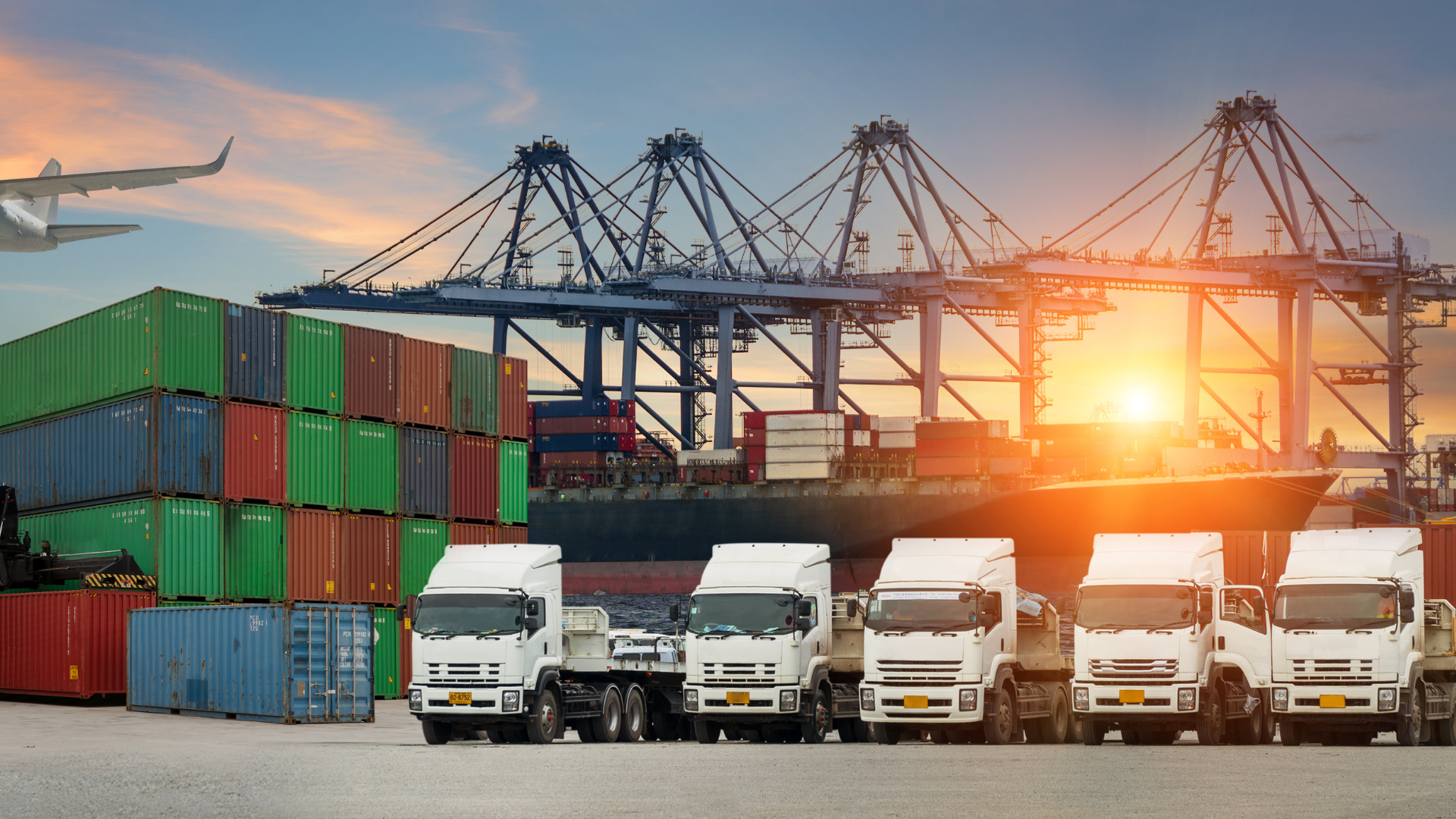
Shipping and logistics are two essential aspects of any business. Without them, you would be unable to bring products from one place to another or move people and materials around your warehouses. They are often confused, but there is a big difference. Shipping is the process of moving cargo from one point to another. Logistics is the management of all the logistical processes.

In this article, we will explore the basics of both shipping and logistics so that you can better understand how they work and help your business thrive.

Difference Between Shipping And Logistics

Shipping refers to the movement of goods from point A to point B, whether by sea or air. As shipments make their way from origin to destination, choosing the right mode of transport allows shippers to optimize for speed, cost and delivery requirements. Companies often need to ship goods by air freight in order to reach markets rapidly without spoiling. At the same time, heavy machinery can be more economically transported in shipping containers on sea freight across long distances. Integrating air freight and ocean shipping options enables companies to meet customer deadlines and budgetary needs.

Logistics, on the other hand, covers a wider range of activities including packaging, warehousing, and delivery. Another key difference between shipping and logistics is that shipping is typically faster and more cost-effective than logistics. For example, it can take days for goods to arrive by the sea while it can take weeks for them to arrive by land.

Additionally, shipping costs are typically lower than those associated with logistics. In many cases, shipping and logistics operations as complementary services. For example, if a company needs to ship large items overseas but doesn’t have the resources or capability to do it itself, it may turn to a freight forwarder who can provide logistics support for the shipment. Conversely, if a company needs help getting its products into a specific region or country but doesn’t have the resources or capability to do it itself, it may turn to a shipping company for assistance.

The Different Types of Shipping

There are three main types of shipping: ocean, air, and land. Ocean shipping is the most expensive but is also the longest-lasting because it can travel across oceans. Air shipping is cheaper, but it’s not as reliable because planes can be delayed or canceled. Land shipping is the cheapest, but it’s the slowest, and it can only move small packages over short distances.

The different types of shipping have different requirements for cargo containers, trucks, and other equipment. Ocean shipping requires large cargo containers for heavy machinery shipping. Such containers are made to withstand extreme weather conditions. Air shipping needs smaller cargo containers that can be easily transported by planes. Land shipping needs small packages that can easily be transported by truck or foot.

How do Shipping and Logistics Affect the Economy?

Shipping and logistics are vital to the economy, as they help move goods around the world. Shipping and logistics account for about 20% of the world’s GDP, according to World Economic Forum. The sector has a positive effect on the global economy because it helps to increase trade and create jobs.

Shipping and logistics play an important role in connecting different parts of the world. They allow for goods to be transported from one place to another quickly and efficiently. This helps to spur economic growth by creating more opportunities for businesses to trade with each other. Shipping and logistics also help to reduce costs for businesses.

By making it easy for companies to get their products to market, shipping and logistics can save them money on shipping costs. This helps to boost the economy overall because it allows businesses to invest more money in their operations. Overall, shipping and logistics are key components of the global economy. They help to increase trade and create jobs, which is a positive trend for the global economy as a whole.

The Future of Shipping and Logistics

There is no doubt that the logistics industry is one of the most complex and rapidly-changing sectors in the world. Industry experts are already forecasting that the future of shipping and logistics will be dominated by automation, digitization, and global supply chains.

By leveraging technology like white label fleet management software, logistics companies can ensure that their courier delivery is optimized for efficiency, thereby improving customer satisfaction. Such technologies typically offer high-quality GPS tracking services and real-time monitoring capabilities, allowing logistics companies to have a comprehensive view of their entire fleet.

Similarly, by taking advantage of software solutions like NetSuite, businesses can streamline their operations to maximize efficiency and improve shipping accuracy. Such technologies can allow companies to meet customer demands, decrease processing time and shipping costs. As a result, the return on investment for such software tends to be notably high. The future of shipping and logistics is undeniably intertwined with technological advancements, promising increased efficiency and customer-centric solutions.

Furthermore, it is worth noting that automation will play a dominant role in the future of shipping and logistics. One of the most significant trends is the increasing integration of automation. According to a report, almost half of all freight will be handled by robots in 2025. This rise in automation is driven by two main factors: first, it can reduce labor costs, and second, it can enhance safety and efficiency

Automation can also help improve speed and accuracy when handling freight. For example, it can automatically load and unload cargo trucks, or place orders for supplies from suppliers. In addition, it can manage entire supply chains more efficiently by monitoring inventory levels and forecast demand. Digitalization will play a major role in the future of shipping and logistics, another trend that will have a big impact on the future of shipping and logistics is digitalization.

Shipping and logistics are essential to the success of any business. They play an important role in moving products from one place to another, ensuring they arrive on time and in perfect condition. In this article, we explored the differences between shipping and logistics and discuss some of the challenges businesses face when it comes to logistics. Hopefully, this information will help you better understand what makes your business successful.

Read More
Logistics and Pandemic Health Care

Logistics and Pandemic Health Care

06/13/202202/13/2023 Mark ReesIndustry TalksLeave a Comment on Logistics and Pandemic Health Care

The logistics industry is constantly growing, and with that comes various opportunities for the future of work. The growth in e-commerce has increased demand for healthcare and essential goods, also leading to a rise in telemedicine. This article will explore both the present and future of this field.

Healthcare Industry

The healthcare industry is constantly evolving and changing. The logistics and pandemic healthcare industries are two of the industry’s most rapidly growing and dynamic sectors. Both industries are essential to the health of society, and they are both growing rapidly.

The pandemic healthcare sector plays a crucial role in providing medical assistance to individuals afflicted by viruses and other diseases. This sector has had to make substantial changes to maintain the provision of quality care during these challenging times. One of the most pivotal changes involved establishing dedicated wards for COVID-19 patients. This allowed for the efficient allocation of resources and staff to deliver care at a centralized location. Additionally, many healthcare facilities have collaborated with companies offering hospital cleaning in Salt Lake City, UT (as well as in other locations) to guarantee rigorous sanitation measures are in place.

Another important thing many of these centers are focusing on is the rapid expansion with technological advances, and it is expected to continue growing in the future. The healthcare industries have much in common, including their reliance on technology. This sector relies on computers and other electronic devices for communication, storage, and processing. There is a whole subsection of the industry dedicated to providing medical practice solutions to hospitals and healthcare institutions for effective management.

Logistics and Pandemic Healthcare

The logistics of any pandemic are complex and require the coordinated effort of many different players. Healthcare providers, pharmaceutical manufacturers, transportation companies, and retailers must adapt to a pandemic. This involves predicting how the market is going to change in terms of the needs of patients as well as hospitals. For such market insights to make a prospective plan, many of these healthcare institutions are turning to companies similar to IDR Medical. Furthermore, one of the most important aspects of logistics planning for a pandemic is ensuring that supplies of medication and other medical supplies are readily available. In the end, healthcare providers must have enough vaccines and other medical products to treat patients during a pandemic if they are to mitigate the loss and prevent further spreading of the disease.

This also means transportation companies must plan for increased demand for air travel and other forms of transport. Retailers should stock up on goods like food and water if they run out during a pandemic. All these players need to work together to ensure that the flow of goods during a pandemic is smooth and efficient. This coordination can be complex, but it is essential if the health of people in affected areas is protected.

Rise of Telemedicine

Since the turn of the century, the medical business industry has experienced significant transformations by harnessing the power of advances in telecommunications and information technology. These innovations have played a crucial role in enhancing efficiency and productivity in the healthcare sector. One of the remarkable outcomes of these advancements is the widespread adoption of telemedicine, which has now become an integral component of routine medical care.

Telemedicine solutions (like the ones provided by Guardian Medical Direction) can be instrumental in providing remote medical consultations, enabling patients to connect with healthcare professionals from the comfort of their homes. This modern approach has not only improved access to healthcare services but also allowed medical practitioners to offer telemedicine support to patients located in remote areas, underserved communities, or those facing mobility challenges.

Telemedicine allows doctors to diagnose and treat patients remotely, using electronic data systems that transmit images, X-rays, recordings, and other medical information. The benefits of telemedicine include improved patient care by reducing travel time and distance between patients and treatment centres and reducing costs by eliminating or minimizing the need for hospital stays and visits outside of regular business hours.

In addition, telemedicine can provide patients with more timely access to medically accurate information than they would receive in person. All these factors combine to make telemedicine an essential tool for healthcare providers during a pandemic. Telemedicine can help speed up critical treatments while minimizing inconvenience and travel costs for patients and their families.

Logistical Challenges with Telemedicine

As the world grapples with the spectre of a pandemic, healthcare providers’ logistical challenge is connecting patients in remote areas with specialists. Telemedicine can play a role in bridging that gap, but there are many logistical hurdles to overcome.

One issue is the distance between patients and specialists. Telemedicine can help to alleviate this by providing consultations over video or phone. However, if the patient is far from a medical centre, it may be difficult for them to receive treatment. Additionally, suppose there is no reliable internet connection in the patient’s area. In that case, they may not be able to access telemedicine services.

Another challenge is ensuring the timely delivery of care. Suppose a patient requires medication or surgery that must be delivered quickly. In that case, it may not be possible to do so through telemedicine. Instead, medical professionals will have to travel to remote areas and provide the necessary treatment directly. This can be difficult and time-consuming, especially with large distances involved.

Prioritizing Health and Safety with Logistics

The logistics of managing an outbreak are complex and challenging. The need for rapid response to potential pandemics is clear, and the industry must be prepared to play a role in meeting that need. In the face of pandemic threats, the logistics sector must work together with other sectors to ensure that critical goods and services can get to those in need quickly and reliably.

Read More

Posts navigation

Newer posts

Categories

  • Business World
  • Industry Talks
  • Money Making

Latest Posts

  • How to Build Multiple Income Streams Sustainably for Long-Term Financial Security
  • How to Balance Innovation with Operational Control for Sustainable Business Growth
  • How Legacy Industries Are Adapting to Modern Demands: Strategies for Sustainable Growth
  • How to Transition Your Shipping Operations to Used Pallets Without Sacrificing Safety
  • How Industry Trends Shape Strategic Business Planning for Sustained Competitive Advantage
Proudly powered by WordPress | Theme: techup-saw by inverstheme.